
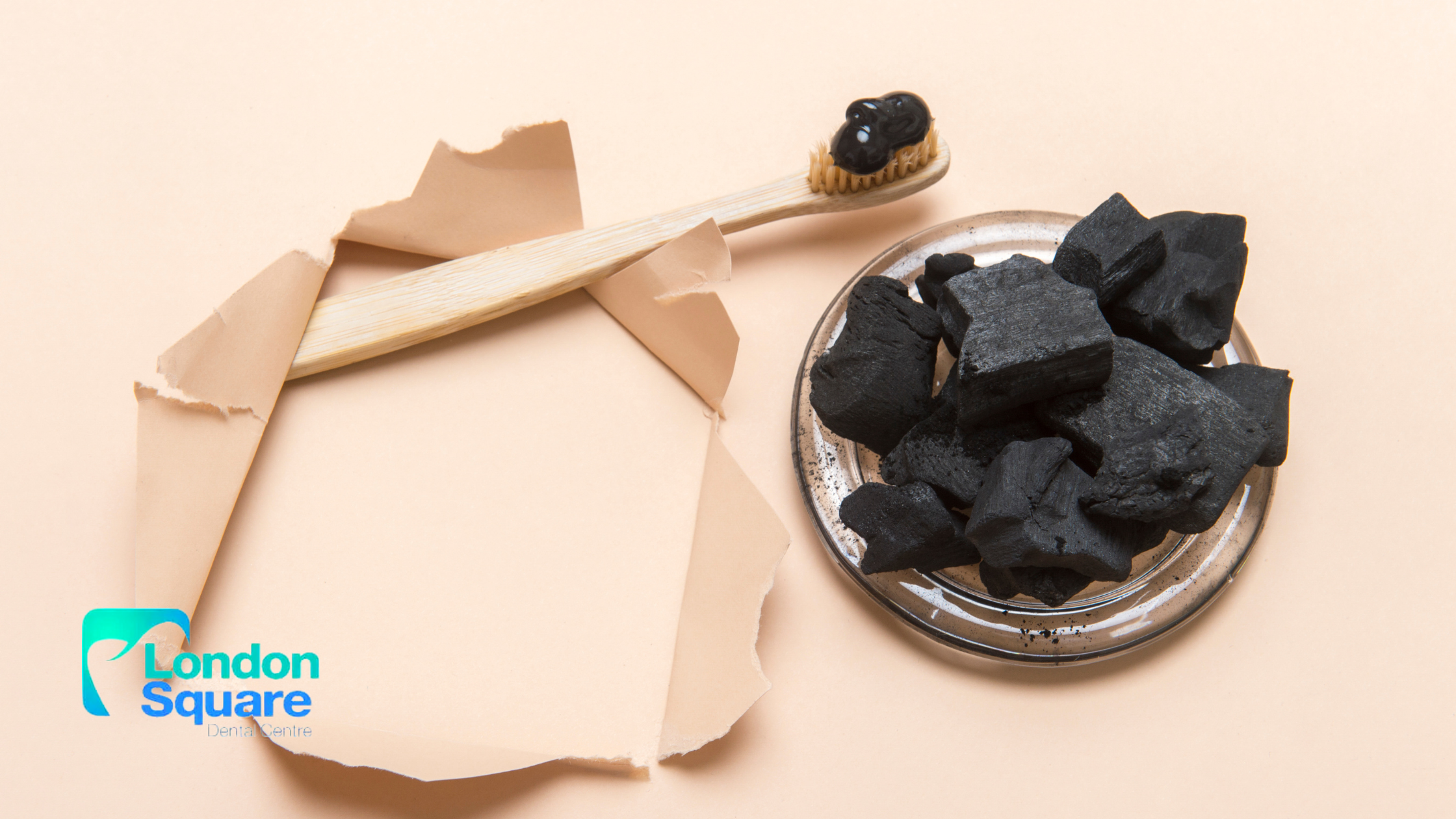
Charcoal toothpaste has gained popularity for its supposed whitening benefits and natural appeal. However, concerns about its safety, especially with long-term use, are becoming increasingly relevant. While many individuals are […]
Charcoal toothpaste has gained popularity for its supposed whitening benefits and natural appeal. However, concerns about its safety, especially with long-term use, are becoming increasingly relevant.
While many individuals are drawn to its advertised ability to remove stains and detoxify the mouth, it’s important to consider the potential risks associated with regular use.
In this post, we’ll examine the effectiveness and safety of charcoal toothpaste and provide insights to help you make informed decisions regarding your oral health.
Key Takeaways
- Effectiveness: Charcoal toothpaste may not be significantly better at whitening or preventing cavities than traditional toothpaste.
- Safety Concerns: Due to its abrasive nature, long-term use of charcoal toothpaste can lead to enamel erosion and gum irritation.
- Consultation: Always consult your dentist before using charcoal toothpaste regularly to ensure it aligns with your oral health needs.
What is Charcoal Toothpaste?
Activated charcoal toothpaste is made from fine particles of activated charcoal, a highly absorbent substance that is said to draw out stains, plaque, and toxins from teeth. It is marketed as a natural, holistic alternative to traditional kinds of toothpaste and is popular for its supposed ability to whiten teeth without harsh chemicals.
Ingredients and Composition
Charcoal toothpaste typically contains:
- Activated charcoal as the primary ingredient
- Baking soda or other mild abrasives
- Essential oils for flavor
- Some may include fluoride, but many do not, which can be a concern for preventing cavities
Claims and Benefits
Manufacturers claim that charcoal toothpaste can
- Whiten teeth by removing surface stains
- Detoxify the mouth by absorbing bacteria and toxins
- Improve bad breath and balance oral pH
However, while these claims may sound appealing, the actual effectiveness of charcoal toothpaste is still debated, and long-term safety concerns remain.
Mechanism of Action
Activated charcoal works by adsorbing particles—binding them to its surface.
When used in toothpaste, the idea is that the charcoal will attract and remove stains and bacteria from the teeth. However, because charcoal is abrasive, using it too often or scrubbing too hard can cause more harm than good.
How Charcoal Works on Teeth
The abrasive nature of charcoal allows it to scrub away surface stains, which may make teeth appear whiter initially. However, this abrasiveness can wear down enamel over time, making teeth more vulnerable to sensitivity, cavities, and discoloration.
Effect on Oral Health
The potential benefits of charcoal toothpaste in terms of whitening and plaque removal must be weighed against the risks of enamel damage. Many charcoal toothpaste do not contain fluoride, a key ingredient in cavity prevention. Long-term use could lead to weakened enamel, making teeth more susceptible to decay.
Risks and Concerns
The long-term use of charcoal toothpaste can pose several risks, particularly due to its abrasive nature. While many users may experience temporary whitening effects, the continued use of these products could lead to more serious dental issues.
Abrasiveness and Enamel Damage
Charcoal toothpaste is more abrasive than traditional toothpaste, which can gradually wear down tooth enamel. Enamel is the protective outer layer of the teeth, and once it is eroded, cannot regenerate. Enamel erosion leads to increased tooth sensitivity, a higher risk of cavities, and potentially more severe dental problems.
Potential for Gum Irritation
Charcoal particles can also irritate the gums, especially in individuals with sensitive gums or those who brush too aggressively. Over time, this irritation could contribute to inflammation, gum recession, and other gum diseases.
Dental Professionals’ Perspectives
Many dentists express caution regarding the use of charcoal toothpaste. While the short-term effects of whitening may be appealing, the long-term risks, including enamel damage and a lack of fluoride, often outweigh the benefits.
Recommendations from Dentists
Most dental professionals recommend using charcoal toothpaste sparingly, if at all, and suggest that it should not replace traditional fluoride toothpaste. Fluoride is critical for strengthening enamel and preventing cavities.
If you choose to use charcoal toothpaste, consider alternating it with fluoride toothpaste and consult your dentist for advice tailored to your oral health needs.
Research Overview
Current research on charcoal toothpaste is limited, with mixed results. Some studies suggest that it may have mild whitening effects, but these come at the cost of increased enamel abrasion. The lack of fluoride in many charcoal toothpastes is another concern, as it is a vital component for cavity prevention.
Alternatives to Charcoal Toothpaste
For those concerned about the potential risks of using charcoal toothpaste, several safer alternatives can provide whitening and cleaning benefits without the abrasive effects.
Whitening Toothpaste
Many whitening toothpastes contain gentle abrasives like baking soda or ingredients like hydrogen peroxide, which can help lift surface stains without the risks associated with charcoal. These are often a better option for those looking to brighten their smile without damaging their enamel.
Natural Alternatives
For individuals seeking natural products, there are alternatives such as baking soda-based toothpaste, coconut oil pulling, and toothpaste with essential oils. These options can freshen your breath and improve oral hygiene without harsh abrasives or chemicals.
Usage Guidelines
If you decide to use charcoal toothpaste, it’s important to do so cautiously.
Frequency of Use
Limit the use of charcoal toothpaste to a few times per week to avoid excessive enamel wear. It’s important not to rely solely on charcoal toothpaste for your daily oral care routine, especially if it doesn’t contain fluoride.
Best Practices
- Use a soft-bristled toothbrush to minimize enamel damage.
- Brush gently to avoid scraping the enamel and irritating the gums.
- Always follow up with a fluoride toothpaste to ensure your teeth are getting the necessary protection against cavities.
Conclusion
While charcoal toothpaste may provide short-term whitening effects, its long-term safety is questionable due to concerns about enamel erosion and gum irritation. If you’re considering using charcoal toothpaste, consult your dentist first to ensure it fits within your oral health regimen.
For most people, using it sparingly and in combination with fluoride toothpaste is the best way to enjoy the benefits without the risks. Always prioritize your dental health by using products that are proven to be both safe and effective in the long term.
Need Help With This?
Our team at London Square Dental is here to answer your questions and provide personalized care.