
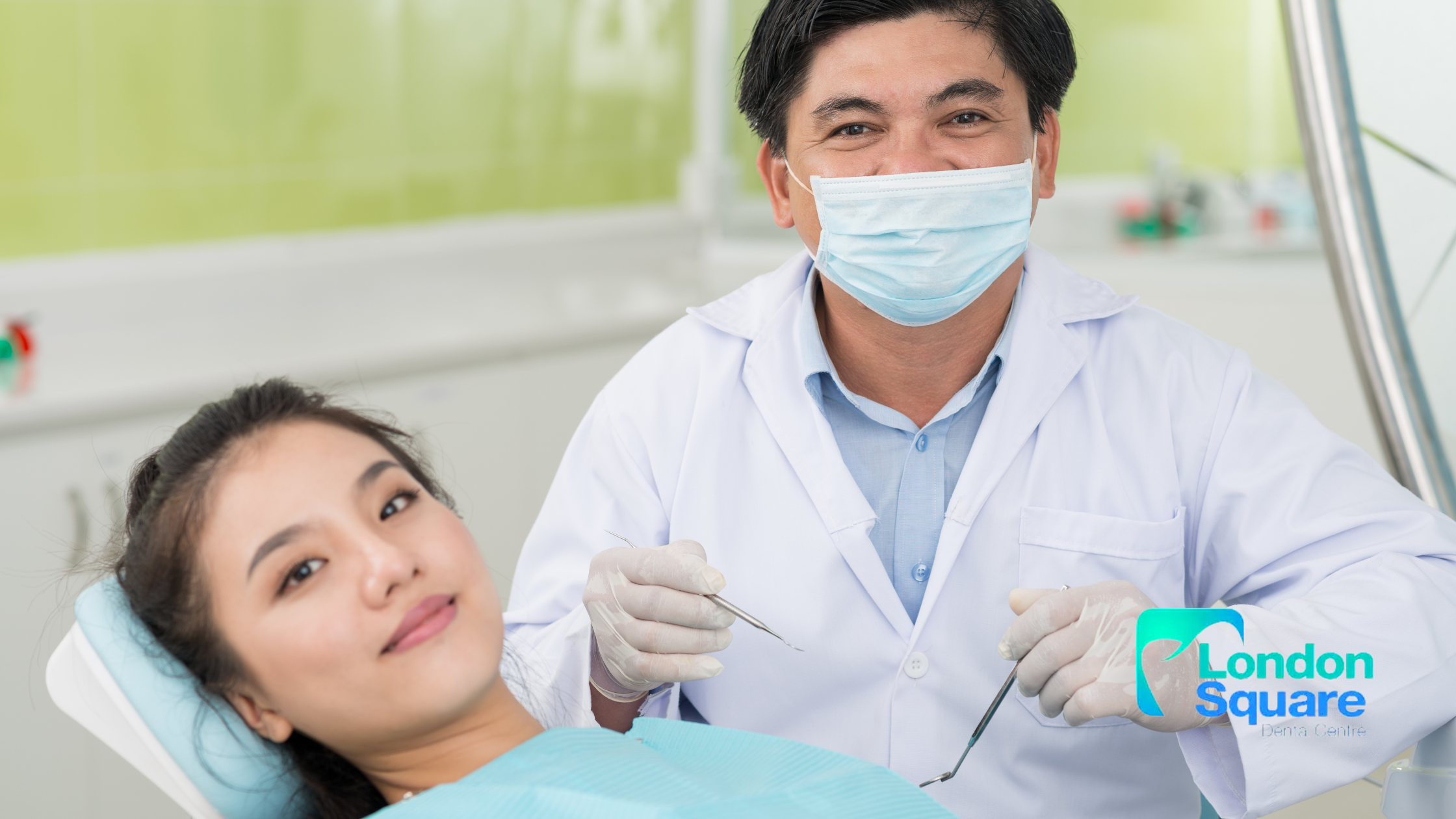
Dental visits can be stressful for many, especially for adults who experience anxiety related to oral care. However, with the right strategies, these appointments can become more manageable and even […]
Dental visits can be stressful for many, especially for adults who experience anxiety related to oral care. However, with the right strategies, these appointments can become more manageable and even comfortable.
This post outlines practical ways to ease dental anxiety, including communication with your dentist, relaxation techniques, and self-care strategies to help reduce stress.
By implementing these approaches, individuals can take control of their dental care, ensuring better oral health without the dread of appointments.
Key Takeaways
- Create a calming environment: Opt for soft lighting, soothing music, and comfortable seating to help reduce anxiety.
- Open communication: Share your concerns and preferences with your dentist for a more personalized experience.
- Incorporate relaxation techniques: Deep breathing exercises, guided imagery, or meditation can help manage anxiety during your appointment.
Understanding Anxiety in Dental Visits
Dental anxiety is common among adults, often stemming from past experiences, fear of pain, or discomfort with dental procedures. Avoiding the dentist due to anxiety can lead to neglected oral health and more severe problems down the road.
Addressing these fears with your dentist and understanding what triggers anxiety can make visits more comfortable and less stressful.
Factors Contributing to Dental Anxiety
Several factors may trigger anxiety during dental visits, such as
-
- Fear of pain or needles
- Sensitivity to the sounds of dental tools
By identifying these factors, you can work with your dental team to create a tailored approach that helps alleviate these concerns.
Common Symptoms of Dental Anxiety
People with dental anxiety may experience:
- Increased heart rate
- Sweating or trembling
- Nausea or an upset stomach
- A feeling of dread or panic before or during the visit
Recognizing these symptoms can prompt you to take proactive steps to manage anxiety before it escalates.
How to Prepare for Your Dental Appointment
Preparing mentally and physically for a dental visit can reduce anxiety significantly.
Taking time to plan for your appointment can help you feel more in control and calm about the process.
Tips for Communicating with Your Dentist
Open and honest communication with your dentist is crucial. Let them know about your anxiety and any specific concerns you have. Here are some tips:
- Share your fears so your dentist can adjust their approach.
- Ask for a detailed explanation of the procedure to ease uncertainty.
- Establish a hand signal to indicate if you need a break during treatment.
Strategies for Relaxation Before the Visit
Before your appointment, practice relaxation techniques to help manage anxiety:
- Deep breathing exercises: Breathe slowly and deeply to calm your nerves.
- Meditation or mindfulness: Focus on the present moment to reduce stress.
- Engage in a relaxing activity: Listen to calming music or read a book to take your mind off the appointment.
Creating a Comfortable Environment at the Dental Office
Dental offices can help alleviate anxiety by creating a soothing and welcoming atmosphere.
A relaxing environment can ease tension and make patients feel more at ease during their appointments.
Importance of a Calming Atmosphere
A calming dental office environment can go a long way in reducing anxiety.
Soft lighting, pleasant scents, and comfortable seating can create a more welcoming space. Gentle background music and soothing decor also contribute to a peaceful setting.
Tools and Techniques to Enhance Comfort
Many dental offices offer tools to help you feel more comfortable, such as:
- Stress balls or fidget items to keep your hands occupied.
- Noise-canceling headphones to drown out dental sounds.
- Warm blankets for physical comfort during the procedure.
- Virtual reality headsets or screens for distraction during treatment.
These simple touches can make a significant difference in your comfort level.
Coping Techniques During the Appointment
Learning how to manage anxiety during your dental visit is crucial for a more relaxed experience. Using these coping techniques can help you stay calm and focused while in the dental chair.
Breathing Exercises
Deep breathing is a powerful tool for reducing anxiety. A simple exercise is to inhale slowly through your nose, hold for a few seconds, and exhale through your mouth.
Repeat this process during your appointment to help keep calm.
Distraction Methods
Distraction can help take your mind off the dental procedure:
- Listen to music or a podcast using headphones.
- Watch a video if your dental office will allow it.
- Focus on calming imagery or use guided meditation apps to help you relax.
These methods can shift your attention away from the treatment, making the experience feel less overwhelming.
Post-Appointment Care
Even after the dental appointment is over, managing anxiety is still important.
Taking steps to relax and reflect positively on the experience can help ease future visits.
Tips for Managing Anxiety After the Visit
After the appointment, try:
- Deep breathing or meditation to unwind.
- Engaging in a calming activity like taking a walk or watching a movie.
- Reflecting on the positives from the visit, such as how well you handled the experience.
Establishing a Support System
Having a support system—whether it’s friends, family, or a therapist—can make dental visits easier. They can encourage and be there to accompany you to appointments if needed.
Talking about your experience afterward with someone who understands can help you feel less alone in managing dental anxiety.
Seeking Professional Help for Dental Anxiety
In some cases, dental anxiety may require more than self-care techniques.
Seeking professional help, such as therapy or medication, can make a significant difference.
When to Consider Therapy
If anxiety keeps you from scheduling dental appointments or significantly affects your day-to-day life, therapy may be a helpful option. A therapist can help you explore the root causes of your fear and develop strategies to manage anxiety more effectively.
Medication Options
For severe anxiety, your dentist or doctor may recommend anti-anxiety medications or sedation options during dental visits. Sedation dentistry options include:
- Oral sedatives are taken before the appointment.
- Nitrous oxide (laughing gas) for mild relaxation during the procedure.
- IV sedation for more intense cases of anxiety.
Your dentist will work with you to determine the best option for your level of anxiety.
Final Words
Dental anxiety is a common challenge, but it doesn’t have to stop you from getting the care you need. By preparing ahead, communicating openly with your dentist, and using relaxation techniques, you can make dental visits more comfortable.
With the right approach, you’ll feel empowered to manage your anxiety and maintain good oral health. Contact us now to schedule your next dental appointment!
Need Help With This?
Our team at London Square Dental is here to answer your questions and provide personalized care.