
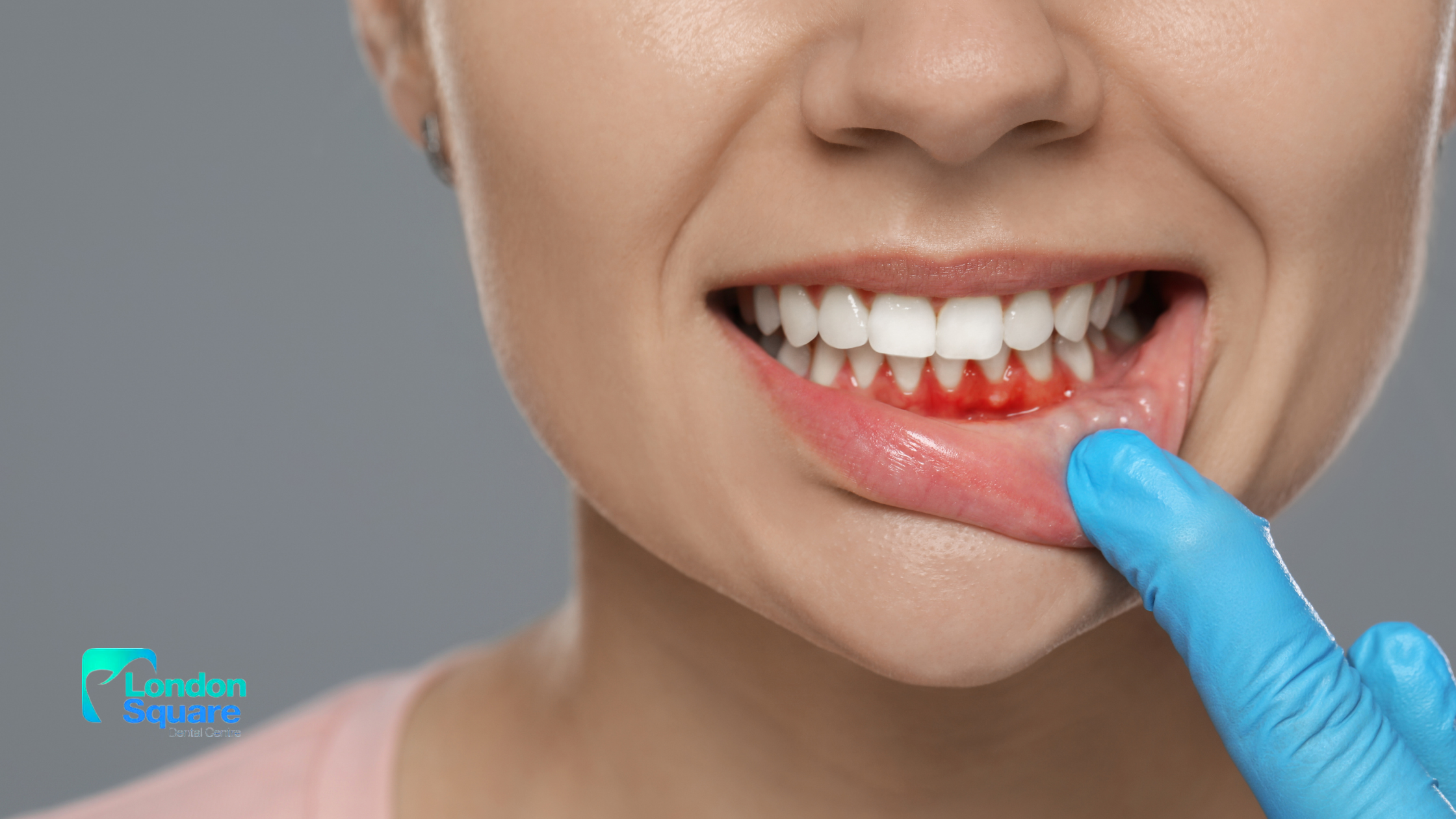
Gum disease can escalate to a point where it becomes difficult for you to maintain your oral health through regular dental care alone. Understanding when periodontal surgery is necessary is […]
Gum disease can escalate to a point where it becomes difficult for you to maintain your oral health through regular dental care alone. Understanding when periodontal surgery is necessary is vital for protecting your gum health and preventing tooth loss. If you’re experiencing symptoms such as persistent bleeding, swollen gums, or bad breath, it may be time to consider surgical intervention.
Key Takeaways:
- Advanced Gum Disease: Periodontal surgery is often necessary when gum disease has progressed beyond the point where non-surgical treatments can effectively restore health.
- Bone Loss: If there is significant bone loss around the teeth, surgical intervention may be needed to rebuild the supporting structures.
- Deep Pocket Formation: The presence of deep gum pockets that remain after scaling and root planing may indicate that surgery is required to eliminate bacteria and promote healing.
Understanding Gum Disease
Before you can determine the necessity of periodontal surgery, it’s imperative to grasp what gum disease entails. Gum disease, or periodontal disease, begins with inflammation of your gums, and if not treated, can progress to more severe stages that affect the supporting structures of your teeth. Understanding this condition can help you make informed choices about your dental health (regular dental visits are key for early detection).
Stages of Gum Disease
By familiarizing yourself with the stages of gum disease, you can better recognize when intervention is necessary. Gum disease typically progresses from gingivitis, marked by mild inflammation, to more severe forms such as periodontitis, which may lead to tooth loss if untreated.
Symptoms and Diagnosis
To effectively manage gum disease, you must be aware of its symptoms and the diagnostic process. Common signs include swollen gums, persistent bad breath, and receding gums. Recognizing these early indicators is vital for prompt treatment.
Hence, understanding the symptoms is imperative for early diagnosis and treatment. Routine check-ups with your dentist can significantly aid in identifying signs of gum disease. If you notice any changes in your oral health, such as increased sensitivity or changes in your bite, consult your dental professional immediately. Prompt action can prevent the disease from progressing and maintain your overall oral health.
Treatment Options for Gum Disease
While you may have options for treating gum disease, recognizing the severity of your condition is important. Treatment can range from non-surgical methods aimed at managing early stages of gum disease to more invasive procedures for advanced cases, ensuring the best possible outcome for your oral health.
You can explore When Gum Disease Surgery from a Periodontist Is Needed to grasp the key indicators that suggest you should seek professional help.
Non-Surgical Treatments
For many patients, non-surgical treatments are sufficient to manage gum disease effectively. These options include professional dental cleanings, scaling and root planing, and the use of antimicrobial agents. Regular maintenance and improved oral hygiene practices at home can significantly assist in preventing the progression of gum disease.
When Surgery Becomes Necessary
Surgery may become necessary when non-surgical treatments fail to restore your gum health, particularly in cases of severe periodontal disease. In such instances, procedures like flap surgery or bone grafting can help provide better underlying support for your teeth and reduce the risk of tooth loss. (Consulting with your dentist about the best course of action is vital.)
Considering the potential long-term effects of untreated gum disease, seeking surgical intervention may be critical to protecting your oral health. If your condition has progressed despite following non-surgical treatments, your dentist can guide you through the surgical options available to restore your gums and prevent further complications. (Taking immediate action can safeguard your overall health and well-being.)
Types of Periodontal Surgery
Keep in mind that various types of periodontal surgery target specific issues related to gum disease. Here are some common procedures:
- Flap Surgery
- Bone Grafting
- Guided Tissue Regeneration
- Soft Tissue Grafting
- Extraction of Severely Damaged Teeth
After determining the extent of your gum disease, your dentist will recommend the appropriate surgical procedure to restore your oral health.
| Procedure | Description |
| Flap Surgery | Reduces periodontal pockets for better cleaning. |
| Bone Grafting | Addresses missing jawbone due to gum disease. |
| Guided Tissue Regeneration | Encourages bone growth through barriers. |
| Soft Tissue Grafting | Replaces lost gum tissue, enhances aesthetics. |
| Extraction | Removes severely affected teeth to prevent infection. |
Flap Surgery
Behind flap surgery lies a technique that allows your dentist to access the underlying bone and roots by folding back the gum tissue. This approach helps in thoroughly cleaning infected areas and reducing pockets where bacteria thrive. The surgeon will then reposition the gum tissue and secure it with stitches for proper healing.
Bone Grafting
Along with restoring gum health, bone grafting plays an crucial role in addressing degraded jawbone structures caused by periodontal disease. During this procedure, your dentist will place bone material in areas where bone loss has occurred, providing a strong foundation for teeth and surrounding tissues.
Grafting materials can come from different sources, including your own body, or they can be synthetic. This enhances the healing process and promotes new bone growth, supporting future dental procedures such as dental implants. Once the graft integrates with your natural bone, you’ll likely experience improved stability and health in your jaw.
Risks and Considerations
After deciding to undergo periodontal surgery, it’s important to weigh the risks and considerations. While this treatment can effectively manage gum disease, potential side effects may include infection, adverse reactions to anesthesia, or changes in gum sensitivity. Being aware of these factors can help you make an informed decision about your oral health (consulting with your dental professional is advisable).
Potential Complications
At times, complications may arise post-surgery, such as excessive bleeding, swelling, or discomfort that doesn’t subside. Understanding these potential issues allows you to approach your recovery proactively and engage your healthcare provider early if concerns arise.
Recovery and Aftercare
For optimal recovery, following your dentist’s aftercare instructions is vital. This may include prescribed medications, maintaining oral hygiene, and attending follow-up appointments to monitor healing. Proper care ensures your gums heal effectively and can prevent further complications.
Understanding the recovery process is key to healing successfully after periodontal surgery. You should expect some discomfort and swelling initially. Adhering to a soft food diet and avoiding vigorous activities can be beneficial. Keeping up with oral hygiene, as directed by your dentist, helps to prevent infection and supports gum health. Following these guidelines will facilitate a smoother recovery and contribute to long-term dental wellness.
How to Prepare for Surgery
Your preparation for periodontal surgery is imperative for a successful outcome. Begin by discussing your health history with your dentist and asking questions about the procedure. Ensuring you understand Is Gum Surgery Necessary? can empower your decision-making. Follow your dentist’s recommendations closely to optimize your health prior to the surgery.
Consultations and Assessments
About your initial consultation, your dentist will assess the severity of your gum disease and recommend whether surgery is necessary. This assessment may involve X-rays and a detailed review of your dental history to formulate a personalized treatment plan for you.
Preoperative Guidelines
Assessments indicate that following preoperative guidelines is vital for effective recovery. You may need to avoid certain medications, refrain from smoking, or make dietary adjustments a few days before your surgery (your overall health will benefit from following these guidelines).
Plus, maintaining good oral hygiene prior to your surgery can play a significant role in your healing process. Staying hydrated and consulting your periodontist about any additional specific instructions is highly advisable (it is your responsibility to adhere to these guidelines for the best possible outcome).
Post-Surgical Care
Now that you have undergone periodontal surgery, it’s vital to prioritize your recovery through proper post-surgical care. Follow your dentist’s instructions closely regarding medication, diet, and activity limitations. Adhering to these guidelines will help ensure optimal healing and improve your overall oral health.
Managing Discomfort
About managing discomfort after surgery, it’s normal to experience some pain and swelling as you heal. You can typically alleviate discomfort using prescribed pain relievers or over-the-counter medications as needed (consult your dentist about which option is best for you). Ensure that you rest adequately to aid your recovery.
Maintaining Oral Hygiene
On maintaining oral hygiene after periodontal surgery, it’s vital to keep your mouth clean to prevent infection and facilitate healing. You should use a soft-bristled toothbrush, being gentle around the surgical site, and avoid rinsing vigorously for the first few days. Your dentist may also recommend an antimicrobial mouthwash to protect your gums.
But as healing progresses, you can gradually reintroduce your regular oral hygiene routine. Be diligent about brushing twice a day and flossing gently around the surgical area. Regular check-ups with your dentist will ensure that your oral hygiene practices remain effective during your recovery and beyond.
Conclusion
Conclusively, understanding when periodontal surgery is necessary for gum disease is important for maintaining your oral health. If you experience symptoms such as persistent gum inflammation, pockets forming between your gums and teeth, or if non-surgical treatments have proven ineffective, it may be time to consult a dental professional about surgical options. Early intervention is key to preventing further deterioration of your gum health, ensuring a successful recovery and long-term benefits for your teeth and overall well-being.
Need Help With This?
Our team at London Square Dental is here to answer your questions and provide personalized care.